
Why Industries Prefer Welded Drawn & Annealed Stainless Steel Tubes
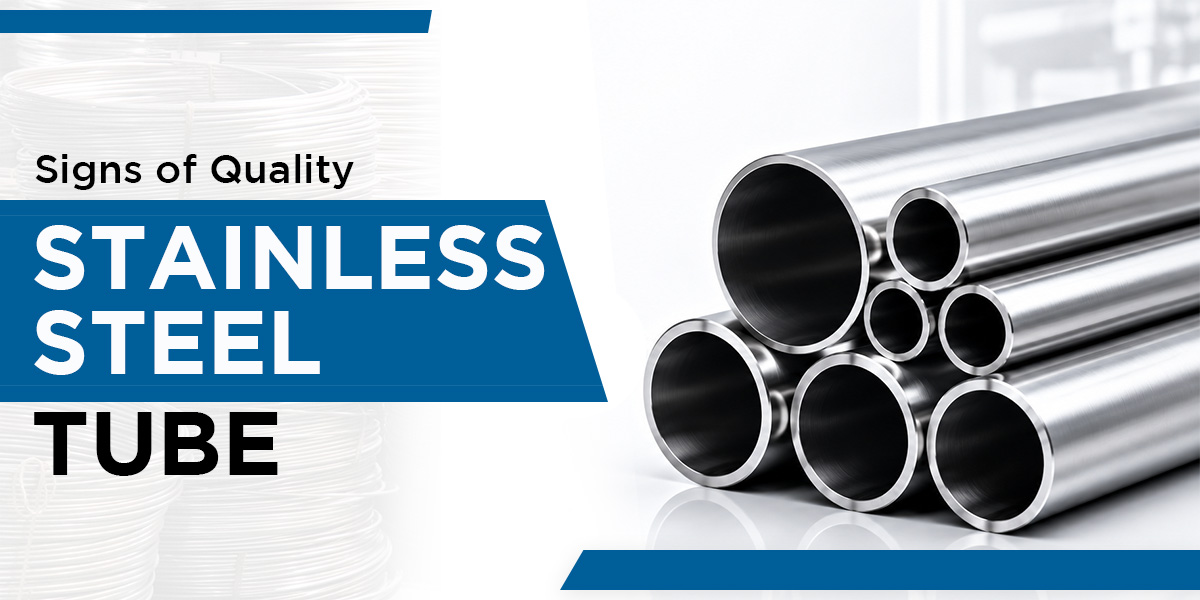
Welded, drawn and annealed stainless steel tubes, or WDA, show up on spec sheets, supplier catalogues, and procurement documents across industries. But what does it actually mean, why does the process matter, and why do engineers and purchasing managers keep coming back to it when precision is on the line? Here is a straightforward answer to all of that.

Welded, drawn and annealed SS tubes are specialized for a few industrial purposes

What are Welded, Drawn and Annealed Stainless Steel Tubes?

The name describes the three-stage manufacturing process the ss tube goes through, and each stage matters.

1. Welding – It starts as a welded tube. A flat strip of stainless steel is roll-formed into a tube shape and joined along a longitudinal seam using TIG welding in a chemically neutral environment. This ensures a clean, consistently formed tube with a controlled weld line.

2. Drawing – The tube is then drawn. It is pulled through a series of precision dies, with or without an internal mandrel, to progressively reduce both its outer diameter and wall thickness. This drawing process is where the dimensional accuracy happens. Each pass through the die tightens the tolerances and refines the surface finish. Between drawing passes, the tube is annealed to restore ductility before the next reduction.

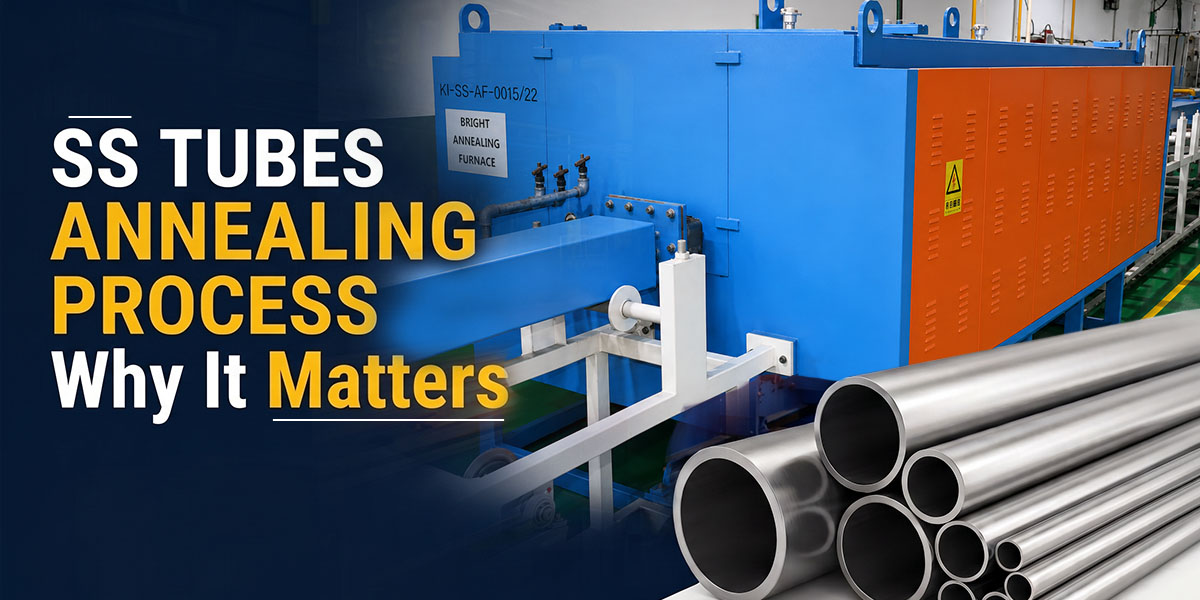
3. Annealing – That brings us to annealing. The finished tube is heated to around 1040°C in a controlled furnace environment and then cooled. This does several things at once: it relieves the internal stresses built up during cold working and drawing, recrystallises the work-hardened grain structure, and homogenises the weld zone, which is where pitting corrosion typically starts if left untreated. The result is a tube with mechanical properties close to seamless, at a cost that works for volume production.

The final product, a welded drawn and annealed stainless steel tube, has an exceptionally uniform wall thickness, a smooth internal bore, tight dimensional tolerances, and a surface finish that requires little or no further processing for most applications.

Why This Matters to the Industries That Use SS Tubes

A basic welded tube is fine for many applications. But once you need thin walls, close tolerances, consistent internal bore dimensions, or the tube is going into a bend, flare, or forming operation, the WDA process starts earning its place on the spec sheet.

Here is what that looks like in practice across the industries that rely on these tubes most.

Refrigeration and HVAC: G-coil assemblies and refrigerant line components need to be bent repeatedly without cracking or losing their circular cross-section. The drawing and annealing process gives the tube the ductility to handle tight radius bending and the wall uniformity to maintain consistent flow characteristics through the coil. Arya Tubes’ WDA stainless steel range is specifically suited for ss G-coil assemblies and reducers where both formability and dimensional consistency are non-negotiable.

Automotive and fluid systems: High-pressure hydraulic and brake lines, fuel delivery components, and fluid connectors all require tubing that can withstand both pressure and vibration over long service cycles. High-strength stainless steel tubes in ASTM 304 and 316L grades, processed through drawing and annealing, provide the tensile properties and fatigue resistance these applications demand.

Medical and instrumentation: Thin wall annealed stainless steel tubes are used in surgical instruments, diagnostic equipment, and fluid handling assemblies where precise outer diameters and bore dimensions are structurally critical. A 0.10mm wall with any eccentricity is simply not acceptable in medical instrumentation, which is why drawn and annealed tubes are the industry default for these applications.

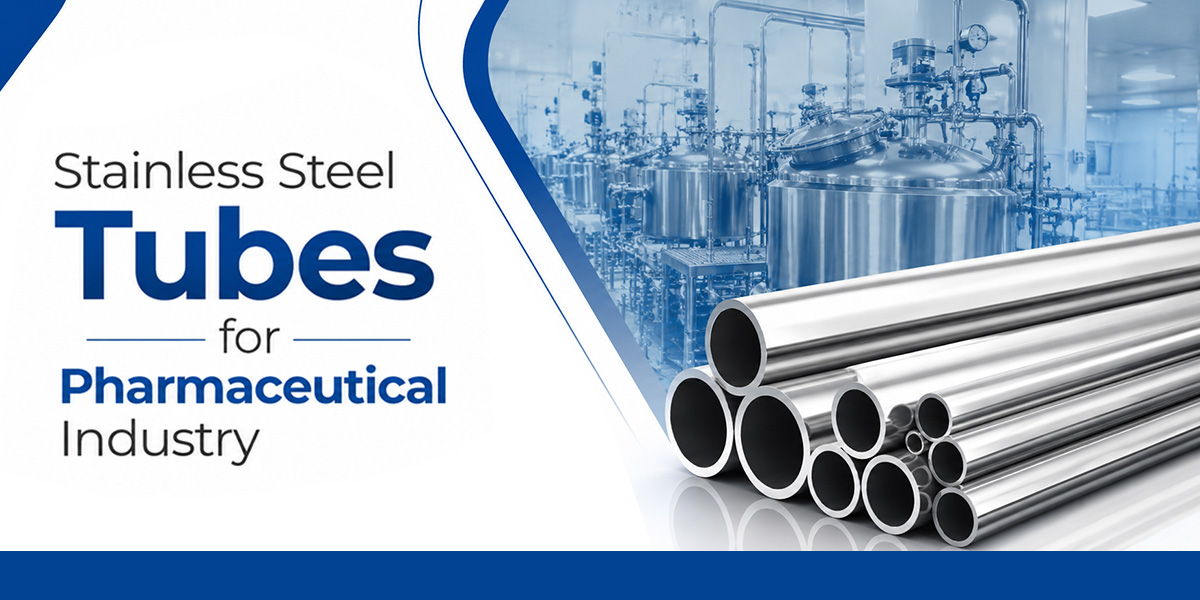
Food processing and pharmaceuticals: Corrosion resistance is not optional in these environments. The annealing step, by relieving weld-induced stresses and homogenising the heat-affected zone, significantly improves pitting resistance compared to a tube that has been welded and left as-is. ASTM 316L stainless steel tubes, with their added molybdenum content, paired with proper annealing, give you a tube that holds up in chloride-rich and chemically aggressive processing environments.

Also Read: How to Prevent Corrosion in Steel Tubes: Expert Tips

Industrial and OEM manufacturing: Connectors, reducers, and custom-formed components across general manufacturing benefit from the consistency WDA tubing offers. When a tube needs to be machined, threaded, welded, or formed at the next stage of production, uniform wall thickness and predictable mechanical properties reduce scrap rates and rework.

The Specific Benefits Worth Knowing

To put it plainly, here is what the WDA process delivers that a standard welded tube cannot:

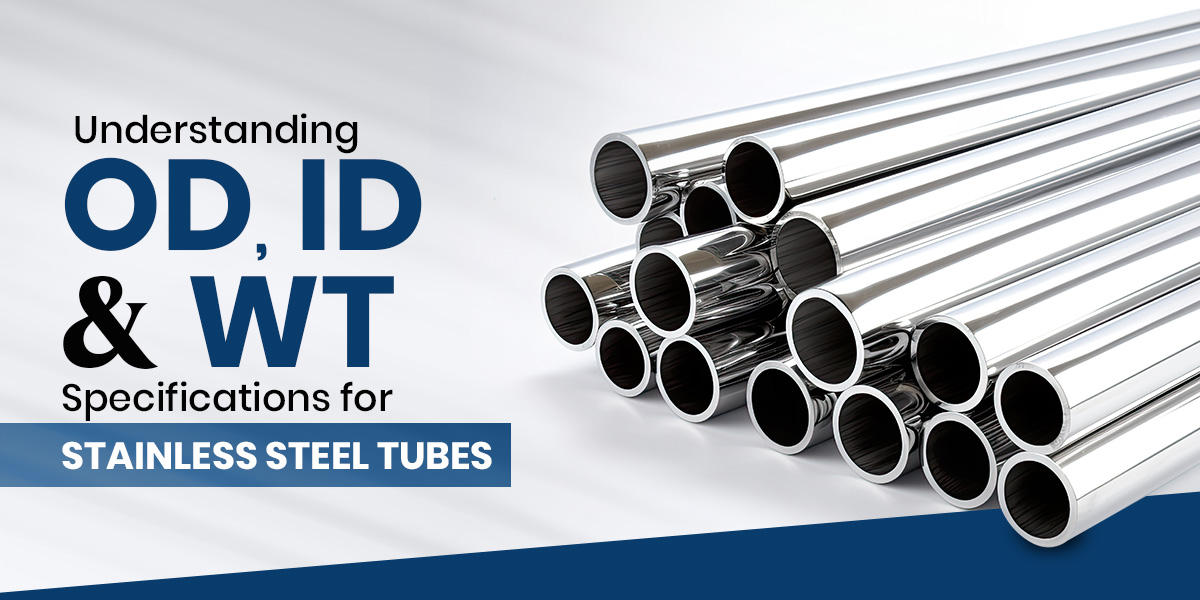
  1. Dimensional accuracy: Drawing through precision dies produces outer diameter tolerances and wall thickness uniformity that are not achievable through the welding and annealing process alone. For thin wall stainless steel tube manufacturing, this matters enormously.
  2. Superior corrosion resistance: The annealing process dissolves chromium carbides that form during welding, restoring the chromium available at the surface to do its passivation work. The result is corrosion-resistant stainless steel tubing that behaves consistently across the whole tube, not just away from the weld seam.
  3. Improved ductility and formability: Work-hardened tube is brittle and prone to cracking during bending or flaring operations. Annealing brings the ductility back, so the tube can be formed without failure.
  4. Smooth internal bore: The drawing process and controlled finish leave an internal surface that supports clean fluid flow, reduces contamination risk, and meets the surface finish requirements for pharmaceutical and food-grade applications.
  5. Cost efficiency relative to seamless: Welded, drawn, and annealed tubes achieve mechanical properties close to seamless equivalents while typically carrying a more competitive price point and shorter lead times, because the starting stock is strip rather than billet.

ASTM 304 and 316L: The Two Grades That Cover Most Applications

The majority of WDA stainless steel tubes in industrial use are produced in ASTM 304 or ASTM 316L stainless steel, and for good reason.

ASTM 304 annealed tubes are the workhorse of the range. The 18% chromium and 8% nickel composition gives strong corrosion resistance across a wide range of environments, good formability, and reliable mechanical properties at a cost-effective price. Most HVAC, automotive, and general industrial applications are well served by 304.

ASTM 316L adds molybdenum, which directly improves resistance to pitting and crevice corrosion in chloride environments. If your application involves seawater, chemical processing, pharmaceutical fluids, or aggressive cleaning agents, 316L is the specification to reach for. The low carbon content of 316L also reduces sensitisation risk in welded assemblies, which matters when the tube will be further welded at the fabrication stage.

At Arya Tubes, both grades are manufactured to international standards and are available across the full range of diameters and wall thicknesses in the WDA stainless steel tubes product line.

Also Read: Common Grades of Stainless Steel Tubes Explained

The Bottom Line

Welded, drawn and annealed stainless steel tubes are not a premium specification for its own sake. They exist because a long list of industrial applications genuinely need the dimensional accuracy, corrosion resistance, surface finish, and formability that the WDA process delivers, at a cost point that makes volume procurement practical.

If your next project calls for precision ss tubes in ASTM 304 or 316L, thin-wall sections, or components that will be bent or formed after delivery, WDA tubing is worth specifying from the start rather than discovering its advantages after a standard welded tube falls short.

Arya Tubes’ manufacturers, supplies and exports welded, drawn and annealed stainless steel tubes in customized sizes and dimensions.

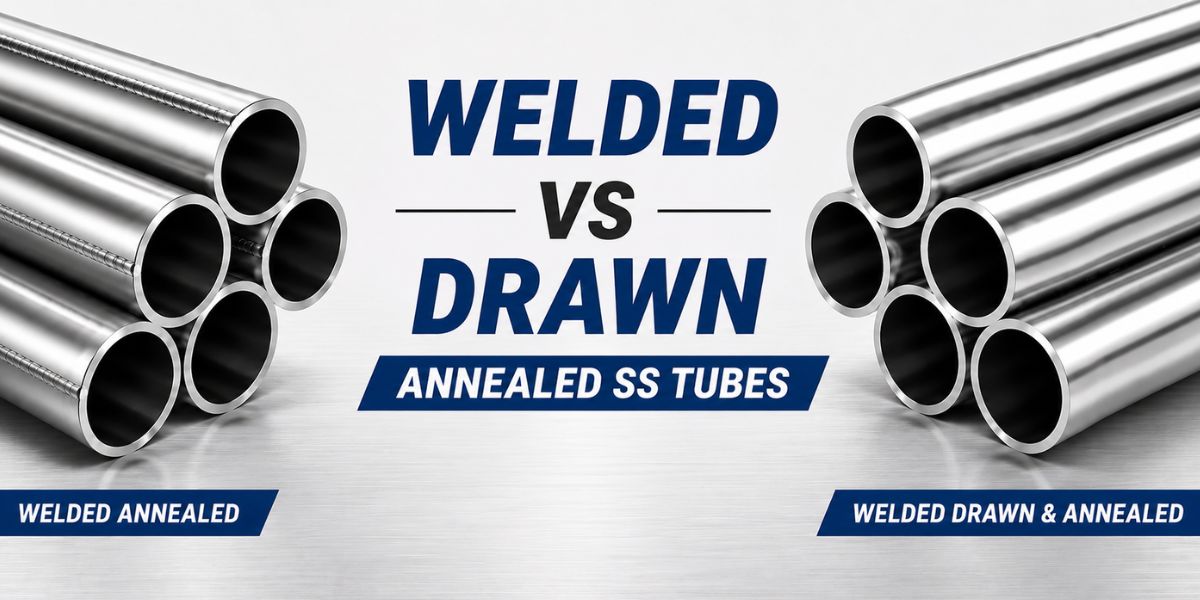
Welded Annealed vs Welded, Drawn Annealed Stainless Steel Tubes

Stainless steel tubes for medical devices, pharmaceutical equipment, food processing lines, or aerospace assemblies, one specification choice often drives everything else: welded annealed (WA) or welded, drawn annealed (DA)?

Both are widely used SS tube types, both undergo annealing as a critical finishing step, and both are available in 316L, 304/304L, and other common alloys. Yet the difference between welded and drawn annealed tubes is substantial enough to affect performance, cost, lead times, and regulatory compliance. Understanding this distinction is essential for any industry that relies on precision stainless steel tubes.

Let’s walk you through the manufacturing process and applications.

The Stainless Steel Tube Manufacturing Process: A Overview

To appreciate the WA vs DA stainless steel tubes debate, it helps to understand how each tube type is made through the stainless steel tube manufacturing process.

Welded Stainless Steel Tubes

Welded stainless steel tubes begin as a flat-rolled strip coil. The strip is formed into a cylindrical shape and the seam is fused using high-frequency induction welding (HFIW) or TIG welding, depending on the application. 

The stainless steel tube is then passed through an annealing furnace, typically a bright annealing line in a controlled atmosphere, to relieve weld stress, restore corrosion resistance, and produce a consistent microstructure throughout the tube.

The result is a welded annealed tube with a visible (though often very fine) longitudinal seam line. Modern welded stainless steel tube manufacturers have refined this process to the point where weld quality is extremely high in many applications, the seam is virtually undetectable and has mechanical properties close to the base metal.

Welded Drawn Annealed Stainless Steel Tubes

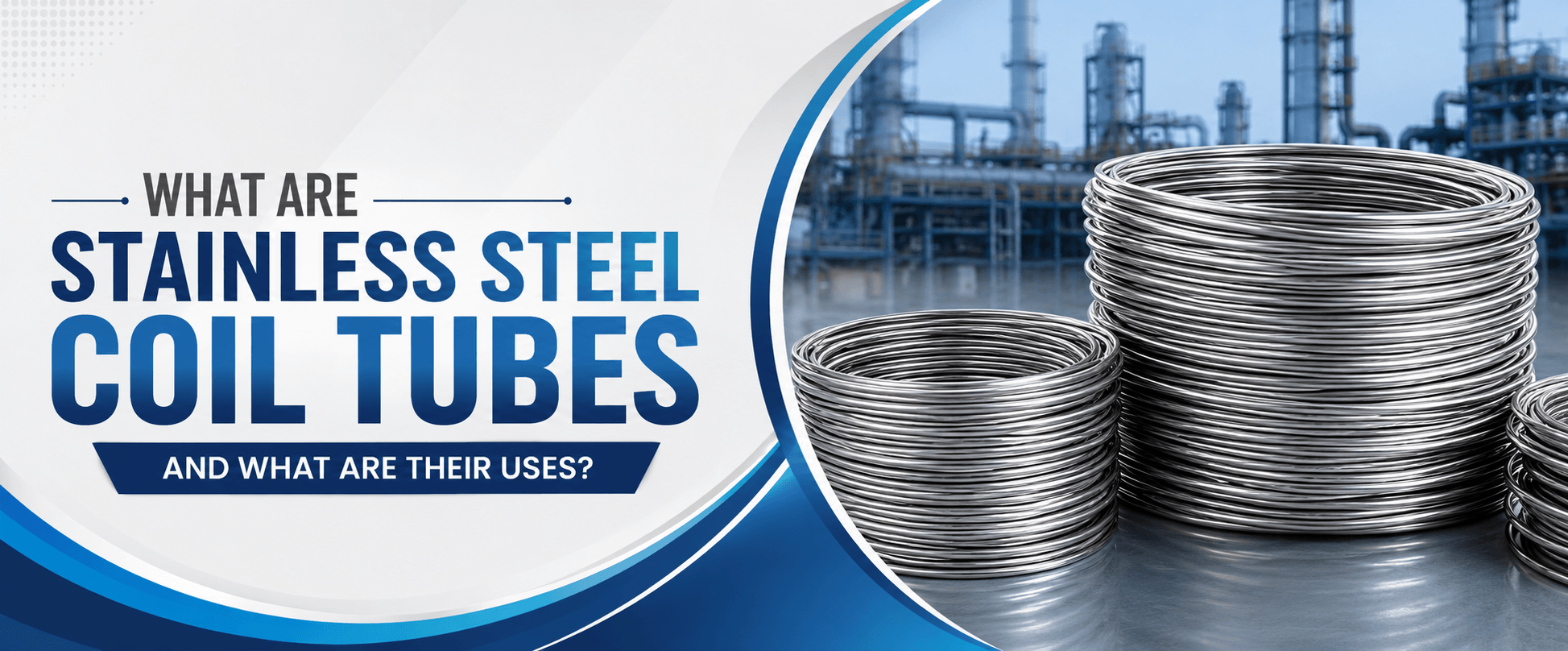
Welded, drawn, and annealed stainless steel tubes follow a more labour-intensive route. A welded tube is drawn through a series of precision dies with or without an internal mandrel to reduce its diameter and wall thickness incrementally. Between drawing passes, the tube is annealed to restore ductility before further reduction. The final product is a seamless-equivalent tube with an exceptionally uniform wall thickness, tight dimensional tolerances, a smooth internal bore, and superior surface finish.

Key Differences: Welded Annealed and Welded, Drawn Stainless Steel Tubes at a Glance

While both tube types meet many of the same ASTM standards, there are clear technical differences that determine which is appropriate for a given application:

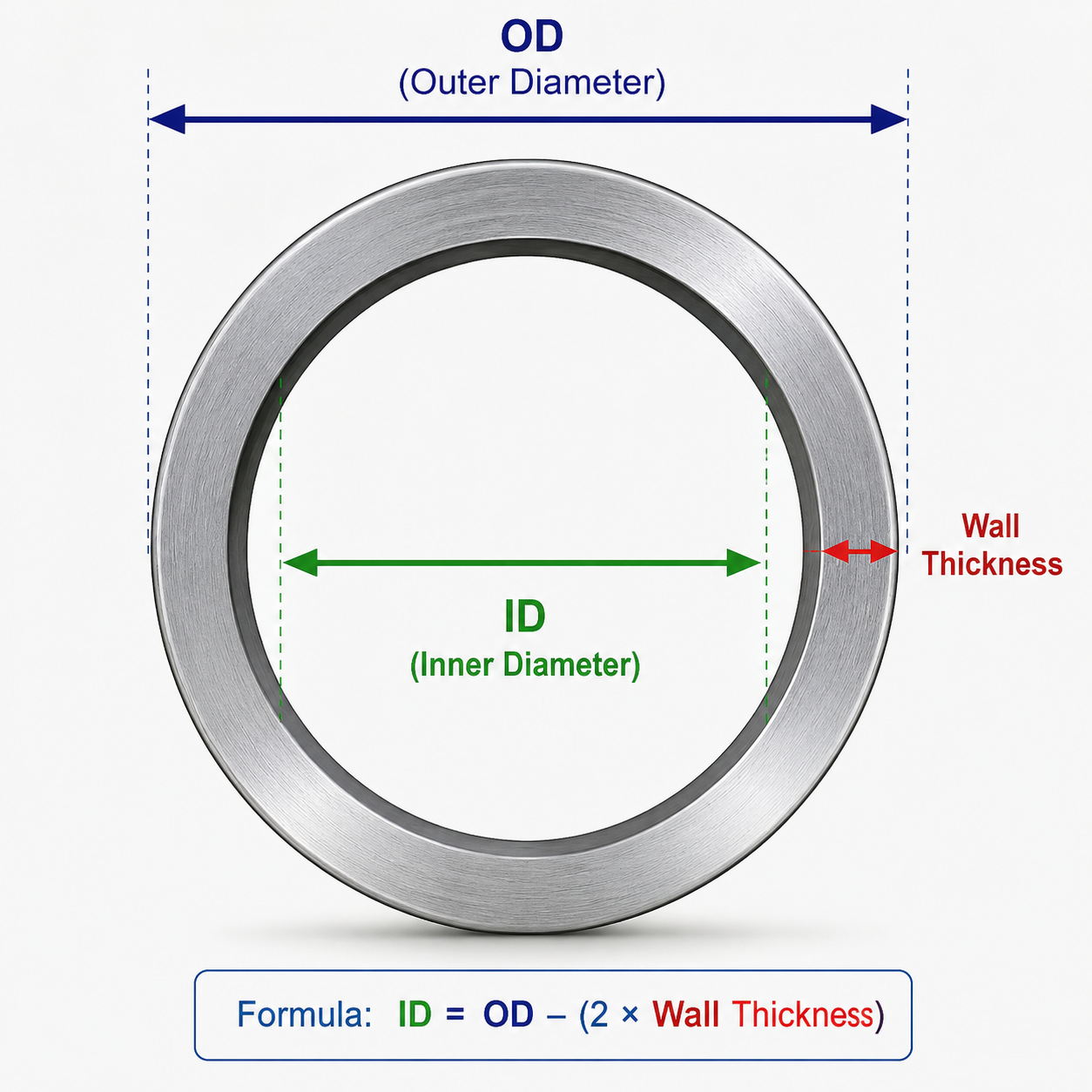
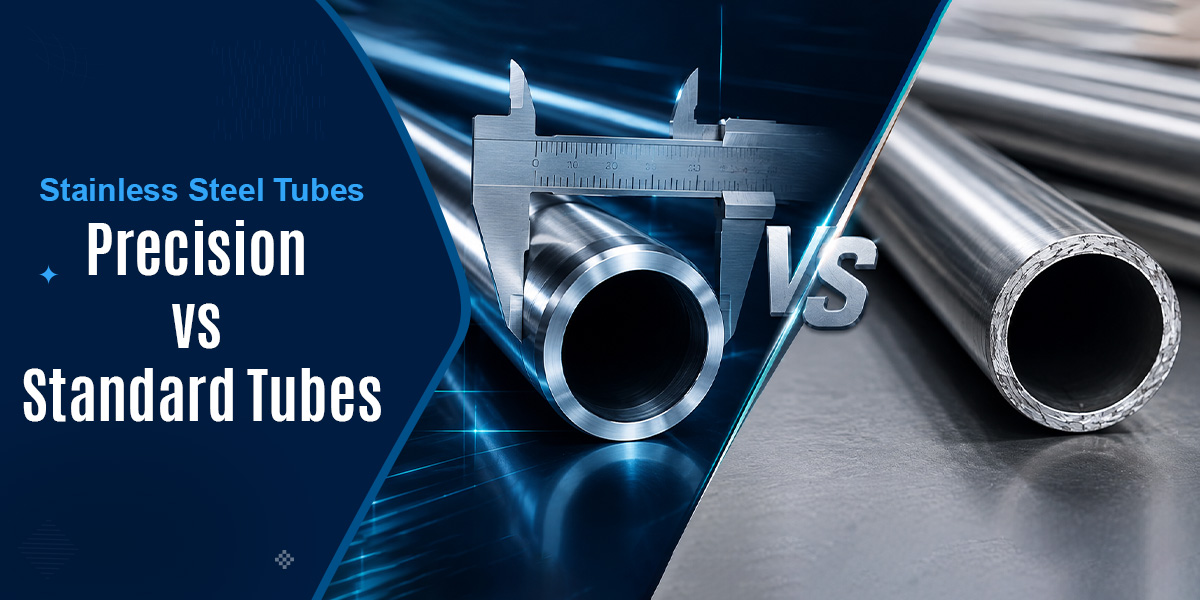
  • Dimensional Tolerances: Welded, drawn annealed tubes achieve tighter OD, ID, and wall thickness tolerances, often ±0.05 mm or better, making them the default choice for precision stainless steel tube applications such as catheter shafts, hypodermic needles, and instrument channels.
  • Surface Finish: The drawing process produces a superior internal surface roughness (Ra). Medical-grade drawn tubes routinely achieve Ra ≤ 0.4 µm internally, compared to Ra 0.8–1.6 µm that is typical in welded stainless steel tubes post-annealing.
  • Wall Uniformity: Welded, Drawn and Annealed SS tubes exhibit exceptional wall concentricity. Thin-wall stainless steel tubes for medical instrumentation are almost exclusively drawn, as any eccentricity in a 0.10 mm wall is structurally unacceptable.
  • Cost: WA tubes are significantly more cost-efficient. Welded steel tube applications in general industrial, HVAC, and fluid transport systems benefit from the cost advantage that welded tubes can be 30–50% less expensive than drawn equivalents in equivalent alloy grades.
  • Lead Times: Welded annealed tubes are generally available with shorter lead times due to the continuous strip-based manufacturing process. DA tubes require multiple drawing and annealing passes, extending production timelines.

Welded Steel Tube Applications vs Welded, Drawn Annealed Applications

Understanding which tube type fits which use case prevents costly specification errors down the line.

Where Welded Annealed Tubes Excel

Welded steel tube applications are broad and well-established. 

  • Heat exchangers, condensers, and evaporator coils, particularly in HVAC and chemical processing, rely heavily on welded SS tubes due to their availability in long continuous lengths and cost efficiency. 
  • Food and beverage industries use welded annealed specifications for sanitary transfer lines and vessel fittings.
  • The oil and gas sector uses welded 316L tubes for instrumentation lines and corrosion-resistant piping systems. 
  • Even in automotive exhaust systems, welded stainless tubes dominate due to their forming characteristics and scalability.

Where Welded, Drawn Annealed Tubes Are Indispensable

Welded, drawn, and annealed stainless steel tubes are the backbone of precision-critical industries. The ss tubes have gone through the manufacturing process, welding of stainless steel strips, combining cold drawing and annealing, which creates a material that delivers the best of both worlds.

  • In the medical sector, over 60% of minimally invasive surgical instruments, catheters, endoscopes, and biopsy tools require drawn tubes often with outer diameters below 2 mm and wall thicknesses as low as 0.10 mm. Thin-wall stainless steel tubes for hypodermic needle blanks are exclusively drawn and annealed. 
  • In analytical instrumentation,  HPLC, mass spectrometry, gas chromatography, the bore concentricity and surface finish of drawn tubing directly affect analytical results. 
  • Aerospace hydraulic lines and pneumatic control systems similarly require the reliability and dimensional stability that only drawn tubes provide.

Making the Right Choice for Your Application

The practical decision framework comes down to four questions:

  • Are you working with thin-wall stainless steel tubes below 0.3 mm wall thickness? → Choose welded, drawn annealed.
  • Is your primary driver volume and cost efficiency for standard flow or heat transfer applications? → Welded annealed is well-suited.
  • Does your end-use involve body contact, sterile flow paths, or analytical fluid systems? → Choose welded, drawn annealed.

Choosing the Right Stainless Steel Tubes with Arya Tubes

At the end of the day, the difference between welded and welded, drawn annealed tubes is not just technical; it is a reflection of manufacturing intent and quality culture. As a welded stainless steel tube manufacturer and drawn annealed tube specialist, Arya Tubes manufactures, supplies, and exports customized stainless steel tubes with medical OEMs, pharmaceutical equipment builders, analytical instrument manufacturers, and industrial system integrators to match the right SS tube type to the right application, every time.

Contact for Enquiries: +91-9560325800


How to Prevent Corrosion in Steel Tubes: Expert Tips

How to Prevent Corrosion in Steel Tubes: Expert Tips

In demanding industries such as automotive manufacturing, medical equipment production, and heating systems, the durability of steel tubing is critical. Corrosion compromises structural integrity, increases maintenance costs, reduces operational efficiency, and shortens product lifespan.

At Arya Tubes, a reputed manufacturer, supplier, and exporter of stainless steel tubes, we understand the real-world challenges industrial manufacturers face. This guide shares expert-backed insights on steel tube corrosion prevention to help you maximize performance and longevity.

Understanding Corrosion in Steel Tubes

Corrosion is a natural electrochemical process where metals react with environmental elements such as oxygen, moisture, and chemicals. While stainless steel is known for its corrosion resistance, it is not entirely immune, especially in aggressive environments.

Common causes include:

  • Exposure to moisture and humidity
  • Chlorides, common in coastal or industrial zones
  • Chemical exposure
  • High temperatures
  • Poor maintenance practices

Why Corrosion Prevention Matters

For automotive, medical, and heating industries, corrosion can lead to:

  • Structural failure in critical systems
  • Contamination risks, particularly in medical applications
  • Reduced thermal efficiency in heating systems
  • Increased downtime and repair costs

Implementing effective anti-corrosion methods is not optional; it is essential. The manufacturing process ensures that anti-corrosion standards are met; however, over time and exposure, these tips will prevent corrosion in stainless steel tubes.

Best Ways to Protect Stainless Steel Tubes from Rust

Tip 1. Choose the Right Grade of Stainless Steel

Not all stainless steels offer the same level of corrosion resistance.

  • Grade 304 — Suitable for general applications
  • Grade 316 — Ideal for harsh environments due to its added molybdenum content

At Arya Tubes, we guide clients in selecting the optimal grade based on their specific application and environment.

Also Read: Common Grades of Stainless Steel Tubes Explained

Tip 2. Apply Protective Coatings

Coatings are among the most effective rust prevention methods, acting as a barrier against moisture, chemicals, and oxygen. Common options include:

  • Epoxy coatings
  • Powder coatings
  • Zinc-rich primers

Tip 3. Control Environmental Exposure

To protect stainless steel tubes in harsh environments:

  • Limit exposure to saltwater or chlorides
  • Use insulation in heating systems
  • Install protective barriers in industrial setups

For coastal or chemical-heavy environments, additional surface treatments are strongly recommended.

Tip 4. Maintain a Proper Surface Finish

A smoother surface finish reduces areas where contaminants can accumulate, improving overall corrosion resistance.

Best practices:

  • Use polished or passivated finishes
  • Avoid rough or damaged surfaces
  • Regularly inspect for scratches or abrasions

Tip 5. Regular Cleaning and Maintenance

Consistent maintenance and inspection are key to preventing rust in stainless steel tubes. Go for regular inspections: Schedule routine visual checks and use non-destructive testing (e.g., ultrasound) to detect early signs of rust, particularly on joints and welds.

Repairs: Immediately clean and re-coat any scratched or damaged areas, particularly on galvanized surfaces.

Clean Internal Surfaces: Use inhibitors or flushing agents to remove impurities and prevent microbiologically induced corrosion (MIC)

Pipe maintenance tips:

  • Clean with mild detergents and soft cloths
  • Avoid chlorine-based or harsh chemical cleaners
  • Rinse and dry surfaces thoroughly
  • Schedule routine inspections

In medical and food-grade applications, hygiene-driven cleaning protocols are especially critical.

Tip 6. Use Cathodic Protection (Where Applicable)

For underground or submerged steel tubing, cathodic protection is a proven anti-corrosion method. It prevents oxidation by redirecting corrosive reactions through:

  • Sacrificial anodes
  • Impressed current systems

Tip 7. Prevent Galvanic Corrosion

When stainless steel comes into contact with dissimilar metals, galvanic corrosion can occur. To prevent this:

  • Use compatible materials throughout
  • Install insulating barriers between metals
  • Avoid direct metal-to-metal contact where possible

Tip 8. Passivation and Pickling

Passivation enhances the natural chromium oxide layer on stainless steel, significantly improving resistance to oxidation. Key benefits include:

  • Removing surface contaminants
  • Restoring corrosion resistance
  • Essential after fabrication or welding

Added Tips on How to Stop Oxidation in Stainless Steel Tubing

Oxidation is the precursor to corrosion. To minimize it:

  • Ensure proper alloy composition
  • Avoid prolonged exposure to high temperatures without protection
  • Apply heat-resistant coatings where necessary
  • Maintain clean, contaminant-free surfaces

Industry-Specific Recommendations

For the Automotive Sector

  • Use high-grade stainless steel (Grade 316) for exhaust and fluid systems
  • Apply protective coatings for underbody exposure
  • Inspect regularly for salt and road chemical damage

For the Medical Industry

  • Prioritize passivated and polished tubes
  • Follow strict cleaning and sterilization protocols
  • Prevent contamination during fabrication processes

For Heating Systems

  • Insulate pipes to reduce condensation
  • Use corrosion-resistant alloys for high-temperature operations
  • Monitor regularly for scaling and oxidation

Why Choose Arya Tubes?

At Arya Tubes, we combine advanced manufacturing with deep industry expertise to deliver corrosion-resistant stainless steel tubing tailored to your application.

Our Strengths:

  • Precision-engineered stainless steel tubes
  • Global supply capabilities
  • Custom solutions for automotive, medical, and heating industries
  • Strict quality control and regulatory compliance

Final Thoughts

Effective corrosion prevention requires the right combination of material selection, protective treatments, and consistent maintenance. By implementing these expert-backed strategies, manufacturers can significantly extend the life of their tubing systems and reduce long-term costs.

If you’re looking for reliable, high-performance stainless steel tubes designed to withstand demanding environments, Arya Tubes is your trusted partner for ISO and BIS certified stainless steel tubes. Choosing ISO and BIS certified stainless steel tubes ensures superior quality, safety, and durability, complying with rigorous national and international standards. BIS (ISI mark) confirms material integrity, corrosion resistance, and dimensional accuracy, while ISO certifies consistent manufacturing processes.

Related Blogs:

Key Properties of Stainless Steel Tubes That Matter in Industrial Applications

Medical Grade Stainless Steel Tubing: Requirements, Standards & Use Cases

Medical Grade Stainless Steel Tubing: Requirements, Standards & Use Cases

When you are manufacturing a medical device, every material decision carries a vital level of accountability that most other industries simply do not face. A stainless steel tube used in a surgical instrument, a fluid delivery system, or a diagnostic device is not just a structural component. It is something that will come into contact with patients, clinical environments, and sterilization processes repeatedly over its service life. Getting the material specification right from the start is not a detail. It is the foundation that everything else sits on.

Why Medical Grade is a Distinct Category

Not all stainless steel tubing is interchangeable, even within the same grade designation. Medical-grade stainless steel tubing is distinguished by tighter controls on chemical composition, cleaner surface finish requirements, stricter dimensional tolerances, and full material traceability from melt to finished tube.

A standard industrial tube in SS 316L may meet the chemical composition requirements of ASTM A276 and be perfectly appropriate for a chemical processing application. That same tube may have surface contamination, residual drawing lubricants, or dimensional variation that makes it entirely unsuitable for a catheter component or a hypodermic needle assembly. The grade is the starting point. The manufacturing process, quality controls, and documentation that go around it are what make it genuinely medical grade.

For medical device manufacturers, this distinction matters at the design stage.

Selecting the Right Grade: Why 316L is the Standard of Choice

The two grades that appear most frequently in medical stainless steel tubing applications are SS 316 and SS 316L, with 316L being the dominant specification across most device categories.

The difference between 316 and 316L is carbon content. The L designation indicates a maximum carbon content of 0.03%, compared to 0.08% for standard 316. That lower carbon content matters in medical applications for two reasons.

  • First, it significantly reduces the risk of sensitization during welding or heat treatment, where carbon can precipitate as chromium carbide at grain boundaries and reduce the corrosion resistance of the material locally.
  • Second, 316L stainless steel tubing for medical applications offers superior resistance to chloride-induced corrosion, which is relevant because body fluids, saline solutions, and many sterilization agents are chloride-containing environments.

The molybdenum content in 316L, typically 2 to 3 percent, is what gives this grade its edge over 304 in corrosion resistance. For implantable or body-contact applications, 316L is the established clinical standard. For applications involving higher mechanical loads combined with corrosion exposure, some manufacturers specify higher nitrogen variants or move to duplex grades, but 316L covers the requirements of the vast majority of medical tubing applications.

Real-World Use Cases Across Medical Device Categories

Understanding where medical-grade stainless steel tubing actually goes helps clarify why the specification requirements exist.

Hypodermic needles and cannulas are manufactured from tightly toleranced small-diameter stainless steel tubing, typically to ISO 9626, with extremely smooth internal bores to ensure consistent fluid flow and minimal patient discomfort. Wall thickness uniformity and OD tolerance are critical because any variation directly affects needle performance and insertion force.

Catheter guide wires and introducer sheaths require tubing with excellent flexibility combined with torsional stiffness, high surface quality for tissue contact surfaces, and full biocompatibility documentation. 316L is the standard grade for these applications.

Surgical instruments, including biopsy needles, trocar components, and laparoscopic instrument shafts, use 316L or ASTM F899-compliant stainless steel tubing where mechanical strength, edge retention in machined components, and sterilization resistance are all simultaneously required.

Fluid delivery and infusion systems use stainless steel tubing at connection points, manifold assemblies, and precision flow control components where dimensional accuracy and cleanliness are required to maintain system performance and prevent contamination.

Diagnostic and analytical instruments, including blood analyzers, laboratory automation equipment, and in-vitro diagnostic devices, use high-precision stainless steel tubing in fluid handling circuits where tight OD and ID tolerances are necessary for accurate sample metering and flow control.

What to Require from Your Tube Supplier

As a manufacturer supplying medical device companies across global markets, we see the documentation and quality requirements that procurement teams specify, and the gaps that create problems at incoming inspection or regulatory review.

At a minimum, get full material traceability to melt heat, chemical composition certification to the relevant ASTM or ISO standard, dimensional inspection reports with actual measured values, surface finish verification, and passivation certification.

We supply 316L stainless steel tubing for medical applications with complete documentation packages, tight dimensional tolerances, bright annealed or electropolished finishes, and passivation certification as standard. As an established SS tubes exporter serving medical device manufacturers across the US, Europe, and Asia, our manufacturing process is built around the traceability and consistency that medical procurement requires.

The Specification Decision Matters More Than You Might Think

Medical device manufacturers look at the grade, surface finish, dimensional tolerance, and documentation standard you specify for your stainless steel tubing, which directly affect your biocompatibility testing program, your incoming inspection process, your sterilization validation, and ultimately your regulatory submission. Getting those decisions right at the design stage, with a supplier who understands the medical device manufacturing context, is significantly less expensive than resolving them after first article testing or during a regulatory review.

If you are sourcing medical-grade stainless steel tubing and want to discuss grade selection, dimensional requirements, or documentation standards for your specific application, we are ready to assist with customized orders.

Related Blogs:


Visit Arya Tubes at Tube Düsseldorf 2026: Leading SS Tubes Supplier & Exporter from India

Something big is coming to Germany, and the global tube industry is already buzzing with excitement. We are honored to be part of this global event. As a prominent manufacturer with expertise in cold-drawn and bright annealed tubes, Arya Tubes is excited to showcase its high-precision stainless steel tubing solutions, designed for a wide range of industrial applications.

Tube Düsseldorf 2026, happening from April 13 to 17, 2026, in Düsseldorf, Germany. It is a powerful gathering of innovation, technology, and opportunity where the future of the tube and pipe industry comes alive.

From cutting-edge machinery to breakthrough engineering solutions, this event brings together the brightest minds and leading companies from across the world. The energy on the floor, the conversations, and the ideas shared here often shape the direction of the industry for years to come.

Stainless Steel Tubes Supplier

For companies like Arya Tubes Noida, it is more than participation. It is a chance to connect, showcase expertise, and be part of something truly global. As one of the emerging stainless steel tube suppliers in India, it continues to expand its presence on the international stage.

If you are looking to discover what’s next in precision manufacturing, this is where your journey begins.

Why Tube Düsseldorf Stands Out

Tube Düsseldorf is the world’s leading trade fair for the tube and pipe processing industry, held in Düsseldorf, Germany. It brings together 1,200+ exhibitors from over 54 countries, showcasing the entire value chain from raw materials to advanced machinery and technologies.

The event features live demos, industry forums, and networking opportunities, making it a key platform for innovation, partnerships, and business growth. It attracts global professionals and decision-makers from sectors such as manufacturing, automotive, energy, and construction, offering valuable insights into the latest trends and future developments in the industry.

Event Snapshot

📍 Location: Düsseldorf, Germany

📅 Dates: April 13–17, 2026

🏢 Hall: 1

📌 Stand: F14-3

Check out the site plan here.

Arya Tubes- Showcasing Engineering Excellence

Arya Tubes, a division of KnitPro International, is focused on delivering world-class stainless steel tubing solutions that combine strength, precision, and sustainability. With over 30 years of engineering expertise, the company specializes in small-diameter and thin-walled tubes, including welded, drawn, and capillary tubing designed to meet global standards.

All our products are manufactured using online eddy current and hydro testing, TIG welding, cold drawing, and bright annealing processes under strict quality control. Supported by ISO and BIS certifications, we comply with global standards while offering customized tubing solutions for specific industry needs.

Stainless Steel Tubes Supplier

The company is known for its strong commitment to quality, specializing in producing ASTM 304 and 316L stainless steel capillary tubes that meet ISO 9626 standards for medical and industrial applications. As one of the trusted SS 304 pipe manufacturers in India, Arya Tubes ensures consistent quality and performance across its product range.

At Stand F14-3, Arya Tubes will present a powerful lineup of stainless steel tubing solutions designed for high performance and reliability.

Core Product Range- Take a Closer Look

Arya Tubes will showcase its complete line of premium welded stainless tube solutions, each engineered to meet rigorous international standards and built to perform in the most demanding industrial environments. You can explore the complete product range here. Take a closer look at the solution you’ll find at the stand:

1. Welded Stainless Steel Tubes

Manufactured from premium ASTM 304 and 316L stainless steel, these tubes offer consistent strength, smooth inner surfaces, and reliable performance in structural frameworks, heating systems, and fluid transfer lines.

2. Welded and Annealed SS Tubes

Through a controlled post-welding annealing process, these tubes achieve an optimal balance of strength and flexibility. They are ideal for applications requiring improved formability, ductility, and stress relief.

3. Welded and Drawn Stainless Steel Tubes

Manufactured with exceptional dimensional accuracy, these tubes feature a superior surface finish and high tensile strength. They are purpose-built for precision-driven applications where tolerances leave no room for error.

4. Welded, Drawn, and Annealed SS Tubes

The pinnacle of the Arya Tubes range, these products combine welding, drawing, and annealing in a multi-stage process. This delivers exceptional precision, corrosion resistance, and superior mechanical properties — trusted for G-Coil assemblies, reducers, connectors, and other high-performance engineering components.

What makes these Products Stand Out?

The use of high-grade stainless steel tubing and advanced manufacturing techniques ensures:

  1. Excellent corrosion resistance
  2. High durability and long-term performance
  3. Tight dimensional accuracy
  4. Compliance with international standards

Their specialization in small-diameter, thin-wall tubes makes these solutions, especially valuable for industries where precision is non-negotiable.

Who Should Attend?

This event is ideal for the following professionals:

  1. Engineers and technical experts
  2. Procurement managers and buyers
  3. Manufacturers and suppliers
  4. Professionals in the medical, automotive, aerospace, and energy sectors

If your work involves precision components, materials, or manufacturing processes, you’ll find real value here.

Why Visit Arya Tubes?

Arya Tubes stands at the forefront of India’s SS tubes revolution, offering an excellent opportunity to build real connections.

At their booth, you can:

  1. Discuss customized tubing solutions
  2. Meet technical experts.
  3. Explore high-precision product samples
  4. Get quick quotations.
  5. Learn about global export capabilities.

Final Thought

This fair is not just another industry event. It’s where innovation meets real-world application.

If you want to stay ahead, discover cutting-edge solutions, and connect with global leaders, this is your place.

Meet Arya Tubes at Tube Düsseldorf 2026

📍📍 Visit us at Hall 1, Stand F14-3

Schedule a meeting in advance to discuss your requirements.

Explore our products:https://www.aryatubes.com/products/

Choosing Stainless Steel Tubes Manufacturer & Supplier in India – A Complete Buyer’s Guide

Choosing the best stainless steel tube manufacturer in India is a strategic sourcing decision. If your operations rely on durability, precision, and long-term performance. Whether you’re in medical, construction, automotive, oil & gas, or process industries, the right stainless steel tubes supplier can directly impact your product quality, compliance, and cost efficiency.

Let’s break down what really matters when sourcing SS tubes for industrial applications.

Why Stainless Steel Tubing is the Industry Standard?

Across sectors, stainless steel tubing has become the backbone of modern manufacturing. The reason is simple: performance meets longevity. From daily use heaters & geyser elements to specialized thin-walled tubes for medical, automotive, petroleum and other specialized industries, the demand is across all.

Stainless steel contains a minimum of 10.5% chromium, forming a passive layer that resists corrosion. It offers high tensile strength, often exceeding 515 MPa depending on grade. And, above all, the material delivers excellent resistance to extreme temperatures and pressure. From industrial stainless steel tubing in refineries to cold-drawn thin-walled small-diameter precision tubes in pharmaceuticals, its versatility is unmatched.

Understanding Stainless Steel Tube Applications

Before selecting a supplier, it’s critical to align material specifications with your end use. Common stainless steel tube applications include:

  1. Structural frameworks in construction
  2. Heat exchangers and condensers
  3. Automotive exhaust and fluid systems
  4. Food processing and pharmaceutical pipelines
  5. Oil & gas transmission systems

Each application demands specific grades, finishes, and tolerances. This is where manufacturing & supplier expertise becomes crucial.

Seamless or Welded: What Should You Choose?

Most buyers evaluate between seamless and welded stainless steel tubes.

Welded tubes:

  1. Cost-effective for large-scale use
  2. Suitable for low to medium pressure applications
  3. Consistent wall thickness and dimensional accuracy

Seamless tubes:

  1. Better for high-pressure and critical environments
  2. Higher strength due to absence of weld seams

For many industries, welded tubes account for over 60% of total stainless steel tube consumption globally, making them a practical choice when sourced from a reliable SS tube manufacturer India. There are various options available,

  1. Welded Stainless Steel Tubes
  2. Welded & Annealed Stainless Steel Tubes
  3. Welded & Drawn Stainless Steel Tubes
  4. Welded, Drawn & Annealed Stainless Steel Tubes
Which Grade of Stainless Steel Tube is Best for Construction?

A common question buyers ask is: which grade of stainless steel tube is best for construction?

Here’s a quick guide:

  1. 304 / 304L: Most widely used, excellent corrosion resistance, cost-effective
  2. 316 / 316L: Superior resistance to chemicals and marine environments

For construction and infrastructure, 304 and 316 grades account for nearly 70% of usage globally, thanks to their balance of strength, corrosion resistance, and affordability.

Also Read: Common Grades of Stainless Steel Tubes Explained

The Importance of ASTM Standards & Certifications

When sourcing ASTM stainless steel tubes, compliance is non-negotiable.

Look for:

  1. ASTM A312 (seamless & welded pipes)
  2. ASTM A213 (boiler and heat exchanger tubes)
  3. ASTM A269 (general service tubing)

An ISO Certified stainless steel tubes manufacturer ensures:

  1. Consistent quality control
  2. Traceability of raw materials
  3. Adherence to global manufacturing protocols

This is particularly important if you’re exporting finished goods or working with regulated industries.

What Sets the Best Stainless Steel Tube Manufacturer in India Apart?

Not all suppliers operate at the same level. The best stainless steel tube manufacturer in India typically demonstrates strength across four key areas:

1. Scale

Large-scale production capabilities ensure:

  1. Bulk order fulfillment
  2. Shorter lead times
  3. Competitive pricing

As per the Indian Chamber of Commerce’s market report, India produces over 6 million tonnes of stainless steel annually, making it one of the fastest-growing markets globally, with expansion in different countries.

2. Standards

Top manufacturers strictly adhere to:

  1. ASTM, ASME, DIN, and EN specifications
  2. In-house testing (hydro, ultrasonic, PMI testing)
  3. ISO-certified processes
  4. BIS certifications

This guarantees consistency across batches, critical for OEMs and large manufacturers for stainless steel tubes.

3. Niche Expertise

Different industries require specialized solutions. Leading suppliers offer:

  1. Custom diameters and thicknesses
  2. Polished, annealed, or pickled finishes
  3. Application-specific tubing for critical environments

This level of niche expertise ensures your materials are fit-for-purpose, not just off-the-shelf.

4. Global Reach

A reliable stainless steel tube supplier for industrial use should support international logistics and compliance.

India exports stainless steel products to over 100 countries, serving markets in Europe, the Middle East, Southeast Asia, and North America. Strong global reach indicates:

  1. Export-grade packaging
  2. Documentation and certifications
  3. Consistent quality across geographies

Key Considerations Before You Buy

When evaluating a stainless steel products supplier, keep these factors in mind:

  1. Material traceability: Can they provide mill test certificates (MTC)?
  2. Customization capability: Do they meet your exact specifications?
  3. Lead times: Are deliveries reliable and scalable?
  4. After-sales support: Do they handle quality queries efficiently?

A dependable stainless steel tubes supplier acts as a long-term partner, not just a vendor.

Final Thoughts

In the competitive industrial manufacturing landscape, sourcing the right industrial stainless steel tubing is about more than price; it’s about performance, compliance, and reliability.

India has emerged as a global hub for high-quality SS tubes, offering the perfect balance of scale, standards, niche expertise, and global reach. Whether you need welded stainless steel tubes, specialized grades, or ASTM stainless steel tubes, choosing the right SS tube manufacturer in India can significantly enhance your operational efficiency.

If you’re evaluating suppliers, focus on proven certifications, technical capability, and industry experience. Because when it comes to stainless steel, quality isn’t optional—it’s foundational.

Key Properties of Stainless Steel Tubes That Matter in Industrial Applications

Stainless steel tubes play a crucial role across industries. The material ensures durability, safety, and long-term performance, whether used for structural components, fluid transport, or mechanical systems. The properties of stainless steel tubes determine how effectively they perform under industrial conditions.

Understanding the characteristics of ASTM stainless steel tubes is essential for selecting the right material for specific applications. From high strength to corrosion resistance and precision manufacturing processes like welded & drawn stainless steel tubes, each property contributes to performance and reliability. Below are the key properties of stainless steel tubes that matter in industrial applications.

1. Excellent Corrosion Resistance

One of the most important properties of stainless steel tubes is their outstanding corrosion resistance. Stainless steel material contains iron, chromium, nickel and molybdenum, depending on grade, which forms a protective oxide layer on the surface, preventing rust and deterioration when exposed to moisture, chemicals, or harsh environmental conditions. Because of this protective layer, ss tubes can maintain structural integrity and performance even in aggressive environments, reducing maintenance costs and increasing service life.

Corrosion resistance makes stainless steel tubing ideal for industries where exposure to water, chemicals, or high humidity is common.

Typical industrial applications include:

  1. Chemical processing plants
  2. Oil and gas facilities
  3. Food and beverage manufacturing
  4. Pharmaceutical production
  5. Marine and offshore environments

304 stainless steel tubes have approximately 18% chromium and 8% nickel, which fare in moderate environments, while 304L, 316L & 321 are better suited for corrosion resistance.

2. High Strength and Durability

Strength is a defining feature of industrial stainless steel tubes. The excellent strength-to-weight ratio allows tubes to handle heavy loads, high pressures, and mechanical stress without deformation. Industries rely on durable ss tubes because they maintain their shape and performance even under demanding operational conditions.

This strength makes stainless steel tubing suitable for:

  1. Structural frameworks
  2. Mechanical components
  3. High-pressure pipelines
  4. Heat exchangers
  5. Automotive systems

316 stainless steel boasts a higher strength and durability than 304 ss tubes.

3. Precision Manufacturing

Industrial applications often require tight tolerances and smooth surface finishes. This is where welded & drawn stainless steel tubes provide a significant advantage.

In the manufacturing process, stainless steel strips are rolled and welded to form a tube, after which the tube is small-diameter, thin-walled cold-drawn to achieve precise dimensions and improved mechanical properties.

Welded & drawn stainless steel tubes offer several advantages such as improved dimensional accuracy, enhanced mechanical strength, uniform wall thickness and smooth surface finish Because of these benefits, welded drawn & annealed stainless steel tubing is commonly used in industries that require precision components, including instrumentation, automotive manufacturing, and engineering applications.

4. Improved Mechanical Properties Through Annealing

Another important feature of welded drawn & annealed stainless steel tubes is the annealing process. Annealing involves heating the material to a specific temperature and then cooling it slowly to relieve internal stresses.

This process improves several critical properties:

  1. Increased ductility
  2. Reduced brittleness
  3. Enhanced corrosion resistance
  4. Improved formability

For manufacturers and fabricators, Welded and Drawn Stainless Steel tubing that has been annealed offers better workability during bending, welding, and machining processes. This is particularly important for industries that require complex fabrication or precise component manufacturing.

5. Temperature and Pressure Resistance

Many industrial environments involve extreme temperatures and pressure conditions. Stainless steel tubes for industrial applications are designed to withstand these challenges without compromising structural integrity.

Stainless steel maintains its strength at both high and low temperatures, making it suitable for:

  1. Thermostatic solutions
  2. Boilers and heat exchangers
  3. Power generation plants
  4. Petrochemical processing units
  5. Industrial heating systems

This ability to perform in demanding environments makes industrial stainless steel tubes a reliable material for applications where safety and performance are critical.

6. Hygienic and Easy to Maintain

Certain industries require materials that meet strict hygiene standards. Stainless steel is non-porous and easy to clean, which prevents contamination and bacterial growth.

As a result, stainless steel tubing is widely used in:

  1. Food processing equipment
  2. Beverage production systems
  3. Pharmaceutical manufacturing
  4. Medical and laboratory equipment

The smooth surface finish of welded & drawn stainless steel tubes also helps reduce product buildup, making cleaning and maintenance easier.

7. Long Service Life and Cost Efficiency

While stainless steel tubing may have a higher initial cost compared to some alternative materials, its long service life provides significant long-term value.

For industrial buyers, this translates into:

  1. Lower lifecycle costs
  2. Reduced downtime
  3. Improved operational efficiency

Over time, industrial stainless steel tubes offer a cost-effective solution for demanding environments.

Choose the right stainless steel tubes and tubing solutions for industrial uses with Arya Tubes. With advanced manufacturing processes, get tubing that meets the strict quality standards required by today’s industries. The major advantage of stainless steel tubes for industrial applications is their versatility. Stainless steel tubing is available in a wide range of grades, diameters, wall thicknesses, and finishes to suit different industry requirements.

This wide variety helps select tubing that matches the specific performance requirements of their systems.

Common Grades of Stainless Steel Tubes Explained

Looking for stainless steel tubes for industries such as thermostatic applications, medical, automotive, food processing, oil & gas, chemical handling, and pharmaceuticals? Understanding common stainless steel tube grades helps select the right material for performance, regulatory compliance and cost efficiency. Their corrosion resistance, strength, hygiene, and durability make them ideal for demanding industrial applications

Understanding Stainless Steel Tube Grades

Stainless steel tubes are primarily composed of stainless steel with the addition of iron and chromium (minimum 10.5%), with added elements such as nickel and molybdenum depending on grade. Chromium forms a passive oxide layer that protects against corrosion. Austenitic stainless steel grades, particularly the 300 series, dominate tubing applications due to excellent corrosion resistance, superior weldability and formability, non-magnetic properties in the annealed condition and high temperatures capacity

The most widely used grades include:

  • 304 stainless steel tubing
  • 304L stainless steel tubing
  • 316L stainless steel tubing
  • 321 stainless steel tubing

Each grade is engineered for specific operating environments.

304 Stainless Steel Tubes

One of the most commonly used grades worldwide, 304 stainless steel tubes have approximately 18% chromium and 8% nickel, it offers reliable corrosion resistance in mild and moderately corrosive environments.

Stainless Steel Tubes

Why 304 Stainless Steel Tubes are chosen?

  • Excellent oxidation resistance up to 870°C
  • Non-magnetic in the annealed condition
  • Good weldability and fabrication properties
  • Cost-effective for general industrial use

Common applications include:

  • Food processing equipment
  • Architectural tubing
  • Thermostatic application including geysers, heaters and heating elements
  • HVAC systems
  • Exhaust systems
  • Structural components

For general-purpose use, welded 304 stainless steel tubing remains the most economical and widely specified option.

304L Stainless Steel Tubes

304L stainless steel tubing is the low-carbon version of 304. The “L” stands for low carbon content, typically below 0.03%.

Why 304L Stainless Steel Tubes are chosen?

  • Reduced risk of carbide precipitation during welding
  • Improved corrosion resistance in welded structures
  • Suitable for heavy-gauge welded applications
  • Preferred for pressure vessels and structural fabrication

304L is ideal when post-weld heat treatment is not feasible. It is commonly used in:

  • Chemical processing equipment
  • Storage tanks
  • Piping systems
  • Structural welded assemblies

For buyers requiring corrosion resistance combined with weld integrity, 304L stainless steel tubes are often specified.

316L Stainless Steel Tubes

316L stainless steel tubing contains molybdenum, which significantly enhances resistance to pitting and crevice corrosion in chloride environments.

Why 316L Stainless Steel Tubes are chosen?

  • Superior resistance to acids and chlorides
  • Excellent performance in marine environments
  • High resistance to chemical exposure
  • Biocompatibility for medical applications

316L stainless steel tubing is widely used in:

  • Pharmaceutical processing
  • Marine applications
  • Chemical plants
  • Medical-grade stainless steel tubing
  • Food and beverage industries
  • Thermostatic applications such as heaters & geysers

For environments exposed to saltwater, chemicals, or bodily fluids, 316L is the preferred choice over 304.

Tube Forming  & TIG Welding Machine

321 Stainless Steel Tubing: High-Temperature Stability

ASTM 321 stainless steel tubes is titanium-stabilized to prevent carbide precipitation during high-temperature exposure.

Why Use 321 Stainless Steel Tubes?

  • Excellent high-temperature resistance
  • Improved intergranular corrosion resistance
  • Maintains strength under prolonged heat exposure
  • Suitable for thermal cycling environments

Common applications include:

  • Aerospace components
  • Heat exchangers
  • Exhaust manifolds
  • High-temperature processing equipment

For industries requiring long-term exposure to elevated temperatures, 321 stainless steel tubing offers superior structural stability.

Manufacturing Processes for ASTM 304, 304L, 316 & 321: Welded, Drawn & Annealed Stainless Steel Tubes
Beyond grade selection, manufacturing processes also impact performance.

Welded Stainless Steel Tubesare produced by rolling flat strip into a cylindrical shape and welding along the seam (often TIG welding). The cost-effective production has consistent wall thickness ideal for non-high-pressure applications

Annealed Stainless Steel Tubes
Annealing involves controlled heating and cooling to relieve internal stresses. Annealed SS tubes have improved ductility, enhanced corrosion resistance, easier bending and forming and reduced hardness
Annealed stainless steel tubes are preferred where flexibility and fatigue resistance are required.

Welded, Drawn and Annealed Stainless Steel Tubes
This precision process enhances dimensional accuracy and mechanical properties. The ss tubes have superior surface finish, tight tolerances and higher tensile strength ideal for instrumentation and hydraulic systems.

Medical Grade Stainless Steel Tubing

Medical stainless steel tubing requires strict compliance with standards such as ISO 9626.

  • 304 for general medical devices
  • 316L for surgical and implant-grade applications

Comparing 304 vs 304L vs 316L vs 321

Grade

Best For

Key Advantages

304

General industrial use

Cost-effective & versatile

304L

Welded structures

Reduced weld corrosion risk

316L

Chemical & marine

Superior pitting resistance

321

High-temperature use

Heat stability

Choosing Stainless Steel Tube Grades

Selecting the right stainless steel tube grade depends on corrosion exposure, temperature requirements, weldability needs, and compliance standards.

  • Choose 304 stainless steel tubes for cost-effective general use.
  • Select 304L for welded fabrication.
  • Opt for 316L stainless steel in aggressive or chloride environments.
  • Use ASTM-321 stainless steel for high-temperature applications.

Working with an experienced SS tube manufacturer, exporter & supplier such as Arya Tubes ensures quality, durability, and long-term performance in critical industrial applications. Specialist in cold-drawn thin-wall small diameter stainless steel tubes and customized sizes compliant with ISO certification and BIS 17678:2022 regulations for industrial applications. Catering to ASTM-certified stainless-steel grades – 304, 304L, 316L and 321 for various industries and available for customization on request, choose the right grade of stainless steel tubes.

Related Blog:

What are Stainless Steel Tubes and Where are They Used?  

What are Stainless Steel Tubes and Where are They Used?

Stainless steel tubes play a critical role across sectors of modern industrial manufacturing that demand strength, hygiene, corrosion resistance, and long-term performance. From heating systems to medical applications, manufacturing purposes to automotive and more, stainless steel tubing has become a preferred material. The wide variety of ASTM-certified alloy grades, manufacturing processes, and customization has enabled the expansion of applications across various industries.

At Arya Tubes, we manufacture precision-engineered stainless steel tubes designed to meet diverse industrial and commercial requirements compliant with international standards.

What Are Stainless Steel Tubes?

Stainless steel tubes are hollow cylindrical products manufactured from stainless steel alloys (304, 304L, 316L and 321), which provide excellent strength, durability, and resistance to corrosion and oxidation.

These tubes are available in multiple forms, ranging from 2.00 mm to 25.00 mm in outer diameter, with a thickness ranging from 0.20 mm to 1.00 mm.

The most common types are:

  • High-quality welded stainless steel tubes designed for structural, heating, and fluid transfer applications.
  • Welded & Annealed Tubes ensure excellent performance in industrial heaters and electrical heating elements.
  • Welded & Drawn Tubes feature tighter dimensional tolerances and uniform wall thickness, perfect for instrumentation, automotive, and pharmaceutical industries. Available in both coil form and straight-cut lengths.
  • Welded, Drawn & Annealed Tubes manufactured for superior mechanical strength, surface finish, and corrosion resistance, these tubes are suitable for G-Coil assemblies, connectors, and reducers made from SS tubes. Available in coil form and straight-cut lengths.

They are manufactured using welded, drawn and annealing processes to ensure dimensional accuracy and consistent performance, and can be tailored to your specific requirements.

Stainless Steel manufacturing processes

For customized stainless steel tubes designed specifically for your application needs, get your personalized quote.

Key Properties of Stainless Steel Tubes

Stainless steel tubing is widely used due to its superior material characteristics:

  • High corrosion and rust resistance
  • Excellent strength-to-weight ratio
  • Smooth internal and external surface finish
  • Resistance to high pressure
  • Hygienic and easy-to-clean properties
  • Long service life with minimal maintenance

These qualities make stainless steel tubes suitable for both critical and non-critical applications.

Types of Stainless Steel Tubes

SS tubes are general-purpose stainless steel tubes used in structural, mechanical, and fluid-handling applications. They are commonly supplied in grades such as 304, 304L, 316, and 316L, depending on corrosion and temperature requirements.

Arya Tubes are specialists in cold-drawn small-diameter, thin-wall tubes designed for applications requiring controlled fluid flow. These tubes are manufactured with tight tolerances and smooth internal finishes.

Stainless steel tubing refers to a broad category of tubes used in industrial systems such as heat exchangers, instrumentation lines, and hydraulic systems.

Stainless Steel Products: A Versatile Industrial Solution

As part of a broader range of stainless steel products, stainless steel tubes integrate seamlessly into industrial systems where reliability and performance are non-negotiable. Their adaptability allows them to function in corrosive, high-pressure, and high-temperature environments.

Stainless Steel for Thermostatic Controls and Heating Elements

Stainless steel tubes excel in thermostatic controls and heating elements due to their exceptional corrosion resistance, high-temperature stability, and durability. In heating applications, grades like 304L and 316L form robust sheaths for tubular heaters, resisting oxidation, scaling, and harsh environments while handling temperatures up to 1200°F (650°C). This ensures reliable heat transfer in electric heaters, immersion heaters, and industrial process systems.

Stainless Steel for Medical Devices

Stainless steel tubes are widely used in the medical industry due to its biocompatibility, corrosion resistance, and ease of sterilization.

The most common types are

  • Surgical instruments
  • Catheters and needles
  • Diagnostic and laboratory equipment
  • Medical gas delivery systems

Capillary tubes are especially critical in precision medical devices where controlled fluid movement is essential.

Stainless Steel for Water Geysers

In water heating systems, stainless steel tubes are used for internal piping and heating elements. Their resistance to corrosion and scaling ensures:

  • Longer geyser lifespan
  • Improved water quality
  • Reduced maintenance costs

Stainless steel for water geysers is preferred in residential and commercial installations where durability and safety are key considerations.

Stainless Steel for Heaters

Stainless steel tubing is extensively used in electric and industrial heaters due to its ability to withstand high temperatures and pressure.

Common applications include:

  • Heating coils
  • Heat exchanger tubes
  • Industrial process heaters

The material’s thermal stability makes it ideal for continuous heating operations.

Why Choose Arya Tubes for Stainless Steel Tubes?

At Arya Tubes, we specialize in manufacturing high-quality stainless steel tubes for B2B customers across industries. Our production capabilities focus on:

  • Precision manufacturing with strict quality control
  • Custom sizes and specifications
  • Consistent material grades and finishes
  • Compliance with international quality standards
  • 25+ years of manufacturing excellence
  • ISO-certified facilities (ISO 9001:2015, ISO 14001:2015, ISO 45001:2018)
  • In-house fabrication, finishing, and quality testing
  • BIS 17678:2022 regulations

Stainless steel tubes are an essential component in modern industrial systems, offering unmatched durability, hygiene, and versatility. From medical devices to water geysers and heaters, their applications continue to expand across industries.

Partner with Arya Tubes for high-performance stainless steel tubes tailored to your business needs.