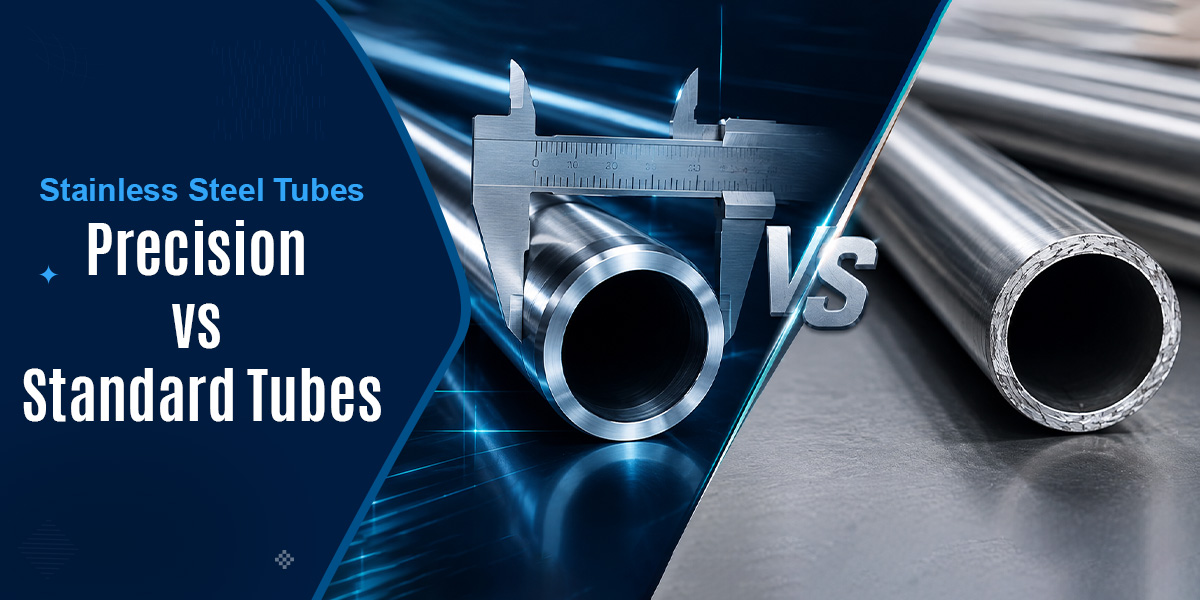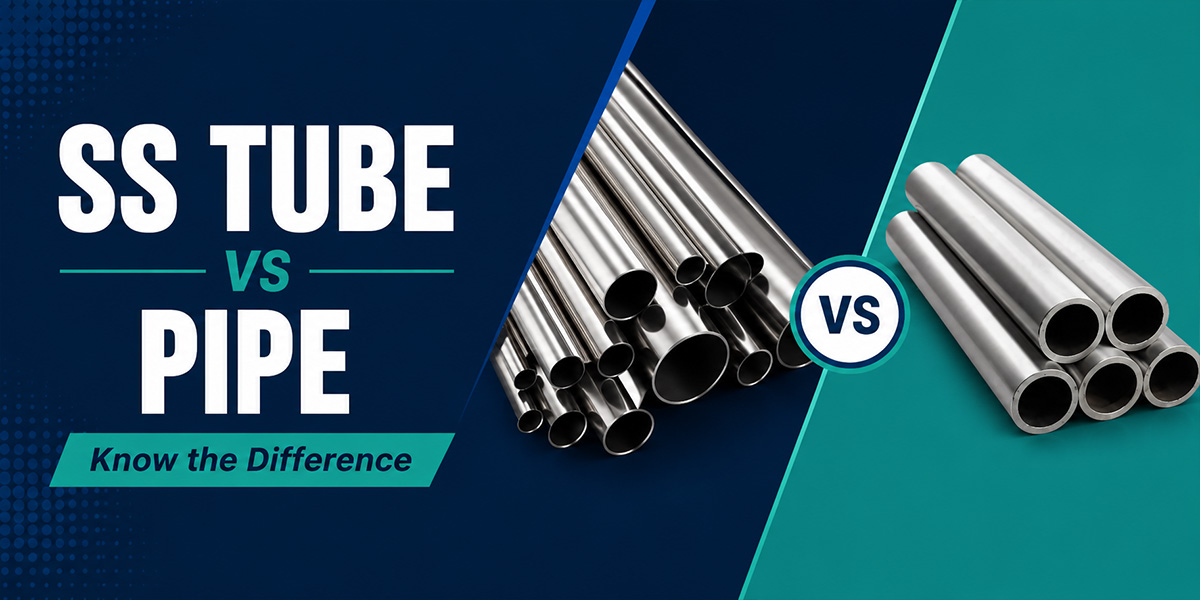
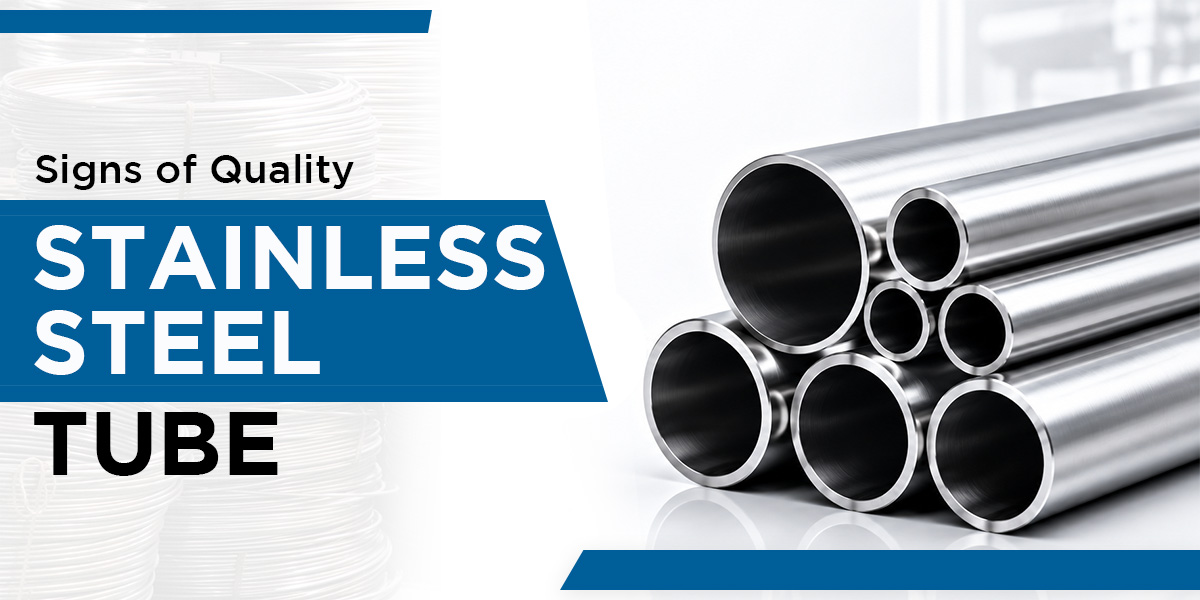
Stainless steel tubes are essential across industries ranging from home appliances and heating systems to medical devices, automotive, instrumentation, food and beverage, and industrial applications. However, not all stainless steel tubes deliver the same performance. SS tubes can look identical while differing significantly in material grade, dimensional accuracy, wall thickness, weld quality, surface finish, and manufacturing process.
Choosing the right manufacturer & supplier is therefore about more than comparing prices. The stainless steel tube quality you receive can directly affect service life, safety, compliance, maintenance, and overall operating costs.
This stainless steel tube buying guide explains what to check before placing an order and how a reliable manufacturer approaches quality control.
Why Stainless Steel Tube Quality Matters More Than Price
For critical applications, inconsistent material properties or wall thickness can create even greater risks. Poor-quality ss tubing can result in leaks, premature corrosion, dimensional problems, installation difficulties, equipment downtime, and costly replacements. That is why buyers should evaluate material quality, manufacturing controls, testing, documentation, and supplier credentials alongside price.
Arya Tubes specializes in small-diameter and thin-walled stainless steel tubes. The product range includes Welded Tubes / Welded & Annealed / Welded & Drawn / Welded, Drawn & Annealed ss tubes, manufactured for demanding industrial applications.
What to Check Before Buying Stainless Steel Tubes
A practical stainless steel tube quality checklist should include the following:
1. Material Grade
Select the grade according to the application’s temperature, corrosion, strength, and fabrication requirements. Arya Tubes manufactures stainless steel tubes in grades including ASTM 304, 304L, 309, 310, 316L, and 321.
2. Wall Thickness and Dimensional Accuracy
Check the specified outside diameter, inside diameter, wall thickness, and allowable tolerances. Consistent dimensions are particularly important for precision assemblies, instrumentation, medical devices, and applications involving fluid flow.
3. Weld Quality
For welded stainless steel tubes, examine weld seam consistency and integrity. Arya Tubes uses TIG welding for its small-diameter and thin-walled tubing, with controlled welding designed to minimize distortion and provide consistent seam quality.
4. Surface Finish
The required finish depends on the application. Bright annealed, smooth, polished, or other specified finishes may be required for applications involving hygiene, appearance, corrosion resistance, or precise installation.
5. Testing and Documentation
Ask for material and inspection documentation appropriate to the specification and application. Traceability and documented testing help buyers verify that the supplied tubing meets agreed requirements.
Stainless Steel Tube Grade Comparison: Which Grade Is Right for You?
There is no single best stainless steel grade for every application.
Grade |
Key Characteristics |
Typical Considerations |
304 |
Good corrosion resistance and formability |
General industrial and engineering applications |
304L |
Low-carbon version of 304 |
Applications requiring improved weldability |
316L |
Enhanced corrosion resistance |
Medical, pharmaceutical, chemical and demanding environments |
321 |
Titanium-stabilized stainless steel |
High-temperature applications |
The correct grade should always be selected according to the application, operating environment, applicable standard, and engineering requirements. Arya Tubes supplies multiple austenitic grades for industrial and precision applications.
A robust stainless steel tube inspection process checks quality throughout manufacturing rather than only at the end.
At Arya Tubes, the manufacturing process includes forming and TIG welding, followed, where required by cold drawing, annealing, straightening, and testing. Cold drawing is used to achieve tighter dimensions, improved strength, and a smoother surface, while bright annealing restores ductility, relieves internal stresses, and improves surface quality.
The company’s in-house laboratory performs dimensional checks, mechanical testing, hardness measurement, surface inspection, and non-destructive testing such as eddy current or hydrostatic testing.
This approach helps ensure that the finished stainless steel tubing is consistent, dimensionally accurate, and suitable for its intended application.
Why ISO 9001 Certification Matters
ISO 9001 establishes a quality management framework for consistent processes, documentation, monitoring, and continual improvement. For buyers, working with an ISO 9001 certified stainless steel tube supplier can provide greater confidence that quality management is embedded in the manufacturing process.
Arya Tubes publicly lists ISO 9001, ISO 14001, ISO 45001, and BIS certification.
Red Flags to Watch for When Buying Stainless Steel Tubes
Before selecting a supplier, be cautious if they:
- Cannot provide appropriate material or inspection documentation
- Cannot clearly identify the supplied material grade
- Offer inconsistent wall thickness or dimensions
- Cannot explain their inspection and testing procedures
- Provide no clear traceability for supplied material
- Make certification claims that cannot be independently verified
A reliable manufacturer should be able to explain its manufacturing process, quality controls, testing procedures, standards, and product specifications clearly.
Stainless Steel Tube Quality Checklist
Before placing an order, confirm:
- Material grade matches the application
- OD, ID, and wall thickness meet required tolerances
- Weld quality is appropriate for the application
- Surface finish meets specification
- Appropriate inspection and testing are documented
- Material and batch traceability is available where required
- Supplier’s quality certifications can be verified
- Manufacturing process matches the required performance
FAQs
Q1. What makes a stainless steel tube high quality?
A. A high-quality stainless steel tube combines the correct material grade, consistent dimensions, controlled wall thickness, reliable weld quality where applicable, suitable surface finish, and documented inspection and testing.
Q2. How can I verify whether a stainless steel tube supplier is ISO 9001 certified?
A. Check the supplier’s published certification documentation and verify that the certification applies to the relevant quality management system and manufacturing activities. Arya Tubes lists its ISO credentials on its website.
Q3. What is the difference between 304 and 316L stainless steel tubes?
A. Both are widely used austenitic stainless steels, but 316L generally provides better corrosion resistance in more demanding environments. The appropriate grade depends on the application’s chemical exposure, temperature, mechanical requirements, and applicable specifications.
Q4. What inspection tests should stainless steel tubes pass before shipping?
A. Depending on the specification and application, inspection may include dimensional checks, mechanical testing, hardness measurement, surface inspection, and non-destructive testing such as eddy current or hydrostatic testing.
Q5. How do I know if a stainless steel tube has consistent wall thickness?
A. Request dimensional inspection records and confirm that the manufacturer’s stated OD, ID, wall thickness, and tolerances meet your purchase specification. Precision manufacturing and cold drawing can help achieve tighter dimensional control.
Q6. Is a mill test certificate necessary when buying stainless steel tubes?
A. For many industrial and critical applications, material documentation is important for verifying grade, properties, and traceability. The exact documentation required should be established according to the product specification, application, and applicable standards.
Choose Stainless Steel Tubes Built for Consistent Performance
Buying stainless steel tubes should be treated as an engineering and quality decision, not simply a price comparison. The right supplier should provide appropriate material grades, controlled manufacturing, dimensional consistency, testing, documentation, and dependable quality systems.
Related Blogs: