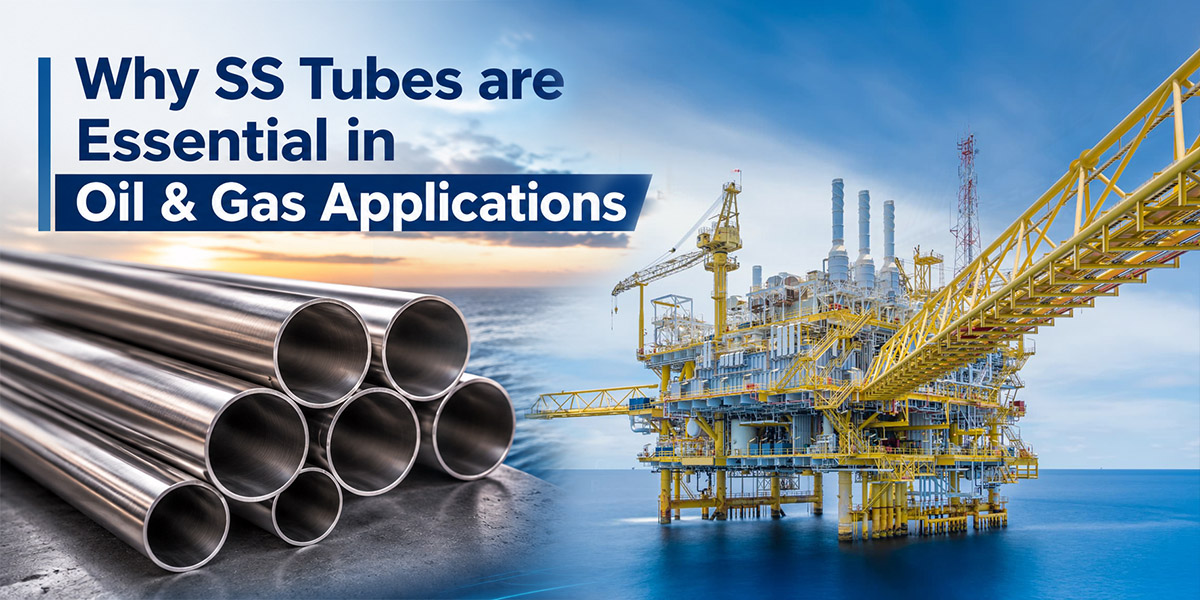
The oil and gas industry operates in some of the most demanding environments in engineering. Tubing used in exploration, processing, refining and fluid transfer may be exposed to high pressure, elevated temperatures, hydrocarbons, chlorides and aggressive process chemicals. Under these conditions, material selection directly affects safety, reliability and service life.
This is why stainless steel tubes for oil and gas applications are widely used in critical systems. Their corrosion resistance, strength, dimensional stability and ability to perform under demanding operating conditions make them suitable for applications ranging from high-pressure instrumentation to petrochemical processing.
Arya Tubes manufactures and supplies welded and welded-and-drawn stainless steel tubes for demanding industrial applications. As an oil and gas tubing manufacturer in India, Arya Tubes offers tubing in different grades and specifications for applications requiring consistent quality and reliable performance.
Why are Stainless Steel Tubes Used in Oil and Gas?
The answer lies in their ability to withstand the combination of mechanical and chemical stresses encountered throughout oil and gas operations.
Corrosion-resistant stainless steel tubes can withstand exposure to moisture, chemicals and other corrosive media while maintaining their structural integrity. Stainless steel also offers good strength and dimensional stability, making it suitable for systems where tubing failure could lead to leakage, downtime or safety concerns.
For projects involving aggressive environments, 316L stainless steel tubes for oil and gas are frequently considered because of their enhanced resistance to pitting and chloride-related corrosion. ASTM A249/A249M
Key Benefits of Stainless Steel Tubing for Oil and Gas Applications
1. Excellent Corrosion Resistance
Corrosion is a major concern in oil and gas production and processing. Tubing may come into contact with hydrocarbons, water, chlorides, chemical additives and other process media.
Stainless steel offers inherent corrosion resistance, while grades such as 316L provide enhanced resistance to pitting and crevice corrosion in many chloride-containing environments. This makes 316L stainless steel tubing for oil and gas industry applications suitable for demanding process and instrumentation systems.
The appropriate grade should always be selected according to the specific chemical composition, temperature and operating conditions of the application.
2. Reliable Performance Under High Pressure
Oil and gas systems frequently involve pressurized fluids and gases. Tubing must therefore maintain dimensional stability and structural integrity under the specified operating conditions.
High pressure stainless steel tubes manufactured with controlled dimensions and consistent wall thickness can support reliable performance in demanding fluid and instrumentation systems.
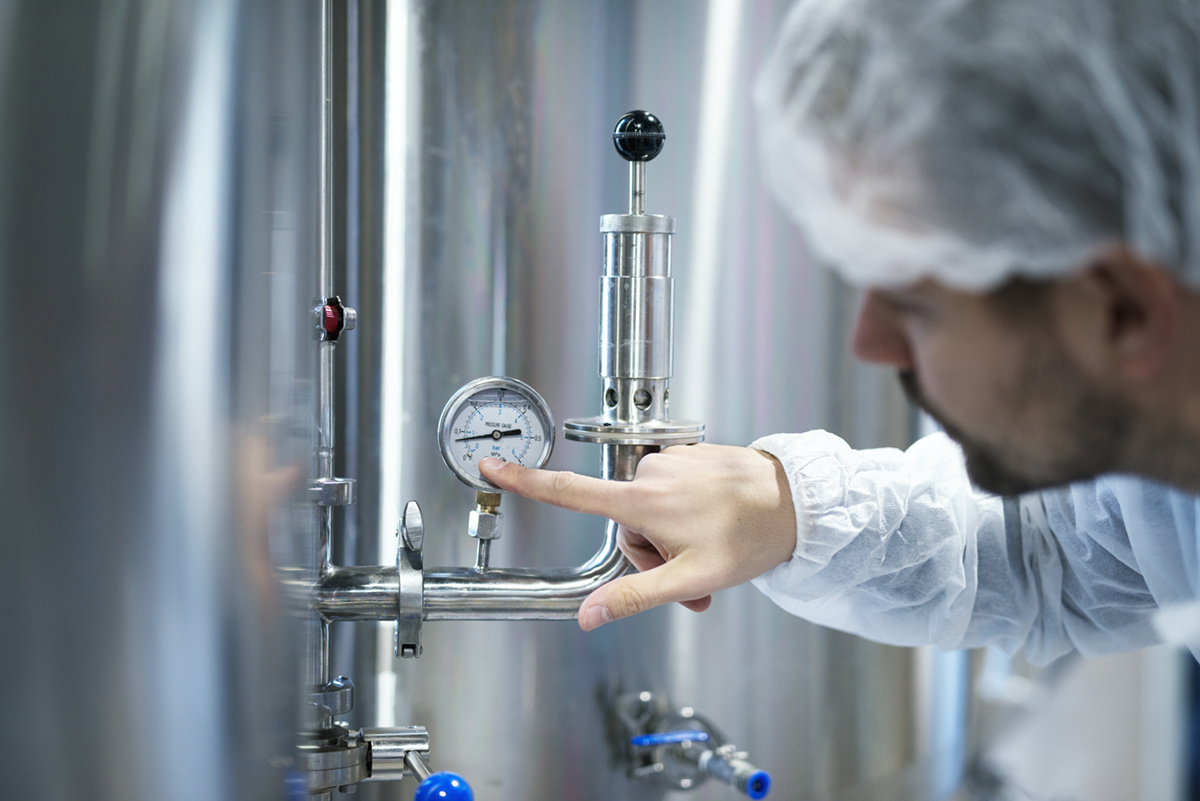
Arya Tubes manufactures welded and welded-drawn stainless steel tubes with attention to dimensional control and wall-thickness consistency for applications where reliable pressure performance is important.
3. Resistance to Demanding Process Conditions
Oil and gas processing can involve elevated temperatures and chemically aggressive environments. Stainless steel tubing can provide the combination of mechanical strength and corrosion resistance required for these conditions when the correct grade, dimensions and manufacturing specification are selected.
This makes stainless steel tubing suitable for applications throughout refineries, petrochemical facilities and process plants.
4. Chemical Compatibility
Oil and gas operations use a variety of chemicals during production, processing and transportation. Tubing may be required to carry process fluids, chemical injection media or sampling streams.
The chemical resistance of stainless steel makes it a practical choice for many of these applications. Corrosion-resistant tubing for oil and gas can help reduce the risk of premature material degradation when the tube grade is appropriately matched to the process environment.
5. Long-Term Reliability
Reliability is critical in oil and gas facilities because unexpected tubing failure can result in maintenance, production interruptions and potential safety hazards.
The durability of stainless steel, combined with appropriate manufacturing controls, can contribute to longer service life and reduced replacement requirements. This is particularly important for tubing installed in systems that are difficult to access or maintain.
316L Stainless Steel Tubes for Oil and Gas Applications
Among the grades used in demanding process environments, 316L stainless steel tubes for oil and gas applications are valued for their corrosion resistance.
The low-carbon 316L grade is particularly useful for welded applications, while its molybdenum content improves resistance to localized corrosion compared with standard 304-grade stainless steel in many chloride-containing environments.
For applications involving aggressive chemicals, chlorides or demanding process conditions, 316L can be considered where its material properties match the service requirements.
Stainless Steel Tube Applications in Oil and Gas
Stainless steel tubing is used across various oil, gas and petrochemical systems, including:
- Petrochemical processing lines
- High-pressure instrumentation tubing
- Fluid transfer and transport systems
- Refinery and process equipment
- Chemical injection lines
- Sampling lines
- Instrumentation systems
- Process control applications
The exact tube grade, construction, dimensions and testing requirements depend on the application and project specification.
Selecting the right stainless steel tube supplier is important when tubing is intended for critical industrial applications. Arya Tubes brings more than 25 years of manufacturing experience to stainless steel tubing production. With its facilities are certified to ISO 9001:2015, ISO 14001:2015, ISO 45001:2018 and BIS 17876:2022. Arya Tubes also offers flexible order quantities, documentation support and export services for customers across India and international markets.
For oil and gas projects, these capabilities support the supply of stainless steel tubing manufactured according to defined material, dimensional and testing requirements.
Conclusion
Stainless steel tubes used in oil and gas are chosen for their combination of corrosion resistance, strength, durability, dimensional stability and suitability for demanding process environments. From high-pressure instrumentation and chemical injection to refinery systems and petrochemical processing, stainless steel tubing for oil and gas applications can provide reliable performance when the material grade and tube specification.
Frequently Asked Questions
Q1. What stainless steel grade is best for oil and gas tubing?
A. 316L stainless steel is a commonly selected grade for demanding oil and gas applications because of its corrosion resistance and enhanced resistance to pitting and chloride-related corrosion. The best grade ultimately depends on the specific operating environment and project requirements.
Q2. Does Arya Tubes supply high-pressure tubing for petrochemical applications?
A. Yes. Arya Tubes manufactures welded and welded-drawn stainless steel tubes for demanding industrial applications, including systems requiring high-pressure tubing.
Q3. Is Non-Destructive Testing available for oil and gas tubing?
A. Yes. According to the supplied company information, Arya Tubes provides Non-Destructive Testing (NDT) and Material Test Reports (MTR) for critical applications where testing and traceability are required.
Q4. Which standards are followed for oil and gas tubing?
A. Arya Tubes manufactures according to applicable specifications, including ASTM A249/A249M where specified for the required application. Project-specific standards should be confirmed before ordering.
Q5. Can Arya Tubes supply bulk orders for petrochemical projects?
A. Yes. Arya Tubes offers flexible order quantities, including bulk production, along with documentation and export support for international customers.
Related Blogs:
Why Pharmaceutical Companies Prefer Stainless Steel Tubes
OD, ID & Wall Thickness Explained for Stainless Steel Tubes
Why Industries Prefer Welded Drawn & Annealed Stainless Steel Tubes