
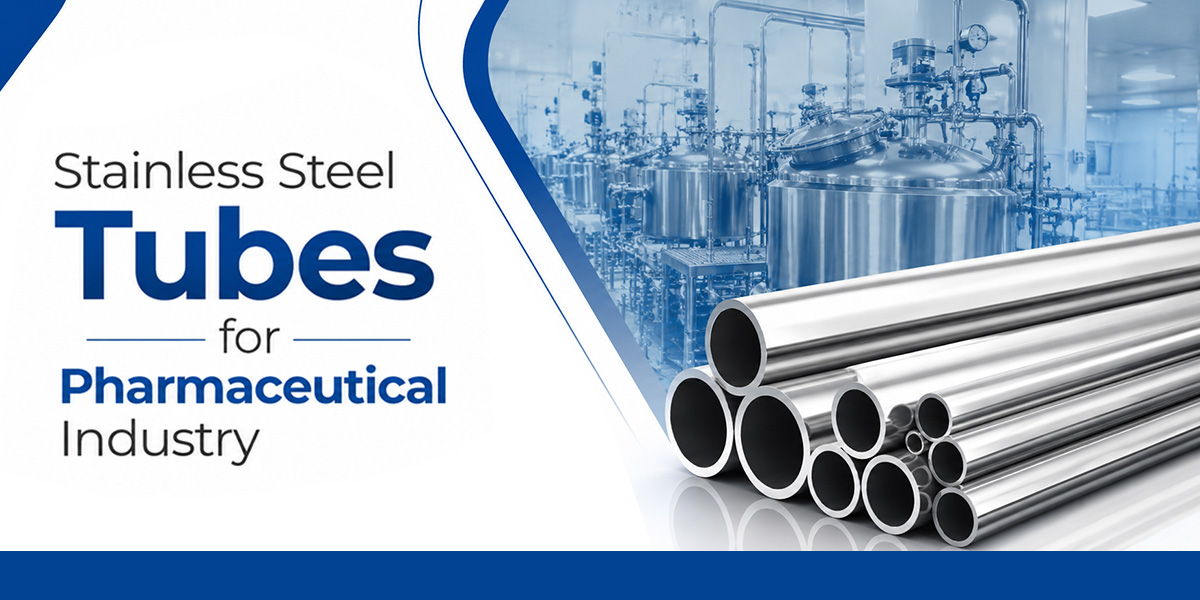
When it comes to manufacturing medicines, vaccines, and biological products, there is zero room for error. Every component in a pharmaceutical production line — from mixing vessels to fluid transfer systems – must meet the strictest standards of purity, hygiene, and durability. This is exactly why stainless steel tubing has become the material of choice across the pharmaceutical industry, and why demand for pharmaceutical stainless steel tubes continues to grow year after year.
At Arya Tubes, we manufacture and supply high-quality SS tubes engineered specifically for industries where contamination control and long-term reliability aren’t optional — they’re the standard. Here’s why pharmaceutical companies consistently choose stainless steel over other materials, and what to look for when sourcing it.
What Makes Stainless Steel the Preferred Choice for Pharma?
1. Unmatched Hygiene and Corrosion Resistance
Pharmaceutical manufacturing involves constant exposure to cleaning agents, sterilization processes, and a wide range of chemicals. Medical-grade stainless steel tubing is built to resist corrosion, pitting, and chemical degradation even under repeated sterilization cycles (autoclaving, steam-in-place, and clean-in-place systems).
Unlike materials such as plastic or carbon steel, hygienic SS tubes for pharma applications have a naturally smooth, non-porous surface. This matters because porous surfaces can trap bacteria, residues, or particulates, a serious risk in an industry where a single contamination event can compromise an entire production batch.
2. Compliance With Strict Industry Standards
Pharmaceutical manufacturers operate under some of the most rigorous regulatory frameworks in the world, including GMP (Good Manufacturing Practice) and FDA guidelines. Stainless steel for medical devices and fluid-handling systems is widely accepted precisely because it consistently meets these compliance requirements.
Grades like 316L stainless steel are especially popular in pharma settings due to their low carbon content, which reduces the risk of sensitization during welding and further improves corrosion resistance, a critical factor for any SS tubes manufacturer supplying this sector.
Also Read: Common Grades of Stainless Steel Tubes Explained
3. Durability That Reduces Long-Term Costs
Durable stainless steel tubing isn’t just about strength; it’s about lifecycle value. Pharmaceutical facilities operate continuously or at high frequency, and replacing piping systems is costly, both in materials and in production downtime.
Stainless steel tubes resist wear, temperature fluctuations, and mechanical stress far better than alternative materials. This durability translates directly into fewer replacements, less maintenance, and more predictable operational costs over time which is why procurement teams increasingly search for a reliable SS Tubes Supplier in India who can guarantee consistent quality across large orders.
4. Versatility Across Applications
Medical-grade stainless steel tube applications span far beyond simple fluid transport. In pharmaceutical settings, stainless steel tubing is used for:
- Water-for-injection (WFI) and purified water systems
- Sterile gas and compressed air lines
- Bioprocessing and fermentation equipment
- Heat exchangers and temperature-controlled processing
- Injectable drug manufacturing equipment
This versatility is one of the biggest reasons stainless steel tubing for the pharmaceutical industry remains the default choice for engineers designing new facilities or upgrading existing ones.
5. Smooth Surface Finish for Contamination Control
Surface finish plays a bigger role in pharma manufacturing than many people realize. A polished, smooth-bore tube reduces the chances of product buildup, bacterial adhesion, and cross-contamination between batches. This is why pharmaceutical buyers specifically look for tubing with electropolished or mirror finishes rather than standard industrial-grade tubes.
Checklist: What to Look for When Sourcing Pharmaceutical-Grade Tubing
If you’re evaluating suppliers for your next project, here are a few questions worth asking:
- Does the tubing meet ASTM/ASME standards commonly required for pharma applications?
- Is the material traceable, with mill test certificates for every batch?
- What surface finish options are available — mechanically polished, electropolished, or as-welded?
- Can the supplier handle custom dimensions and grades based on your specific process requirements?
- Does the manufacturer have experience specifically in pharmaceutical or biotech environments, not just general industrial supply?
Working with an experienced SS tubes manufacturer who understands these nuances can save significant time during validation and audits.
Why Arya Tubes?
At Arya Tubes, we specialize in manufacturing stainless steel tubing built to meet the exacting demands of the pharmaceutical and healthcare sectors. Our tubes are designed with hygiene, compliance, and durability at the core — because we understand that in this industry, quality isn’t just a specification, it’s a responsibility.
As a trusted SS Tubes Supplier in India, we work closely with pharmaceutical manufacturers to deliver tubing solutions that hold up to rigorous sterilization cycles, regulatory audits, and continuous production demands. Each SS tube meets ISO 9001:2015, ISO 14001:2015, ISO 45001:2018 standards and are BIS Certified.
Frequently Asked Questions
Q1. Why is Stainless Steel Preferred Over Plastic Tubing in Pharma Manufacturing?
A. Stainless steel is preferred because it offers superior corrosion resistance, withstands repeated sterilization, and has a non-porous surface that minimizes the risk of contamination. These advantages make it more reliable than plastic tubing for pharmaceutical manufacturing applications.
Q2. Which Stainless Steel Grade is Best for Pharmaceutical Applications?
A. Grade 316L stainless steel is the most widely used material for pharmaceutical applications due to its low carbon content, excellent corrosion resistance, and compatibility with GMP and FDA compliance requirements.
Q3. What Surface Finish is Required for Pharma-Grade Tubing?
A. Most pharmaceutical applications require a polished or electropolished internal surface finish. This smooth finish helps minimize bacterial adhesion, reduces product residue buildup, and supports high standards of cleanliness and hygiene.
Looking for a reliable stainless steel tubing partner for your pharmaceutical facility? Contact Arya Tubes to discuss your project requirements and get a custom quote.
Related Blogs:
Medical Grade SS Tubing: Requirements, Standards & Use Cases
What are Stainless Steel Coil Tubes and Where are they used?
Choosing SS Tubes Manufacturer & Supplier in India – A Complete Buyer’s Guide